Social Media Impact
On Mental Health
Overview
Social media has become a major part of everyday life, especially for young adults. While it helps people connect, create, and communicate, excessive use can also contribute to anxiety, stress, and unhealthy comparison.
Usage
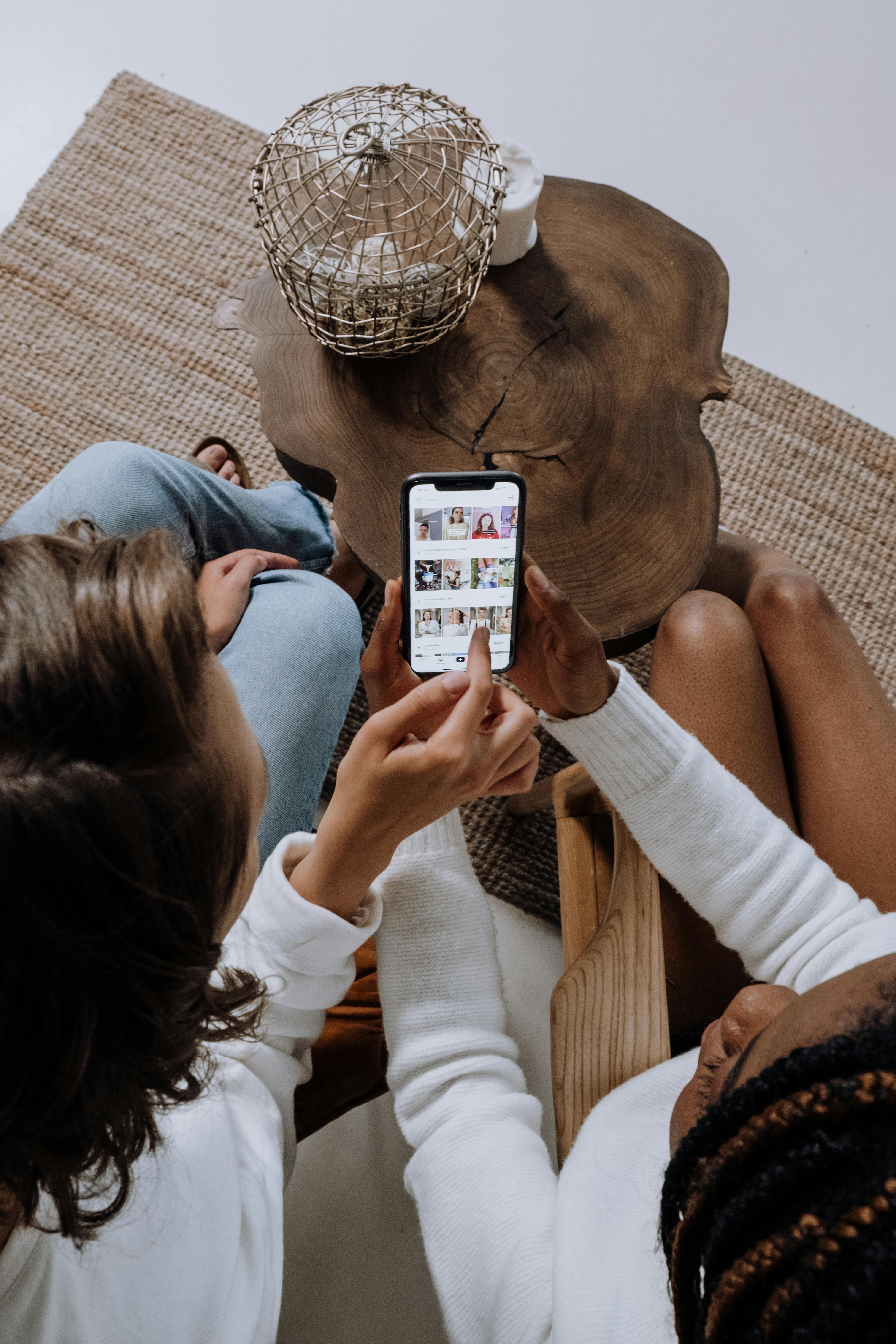
Studies show that many young adults spend several hours each day on platforms like Instagram, TikTok, and Snapchat. Higher daily screen time has been linked to increased feelings of anxiety and reduced overall well-being.

Effects of Social Media
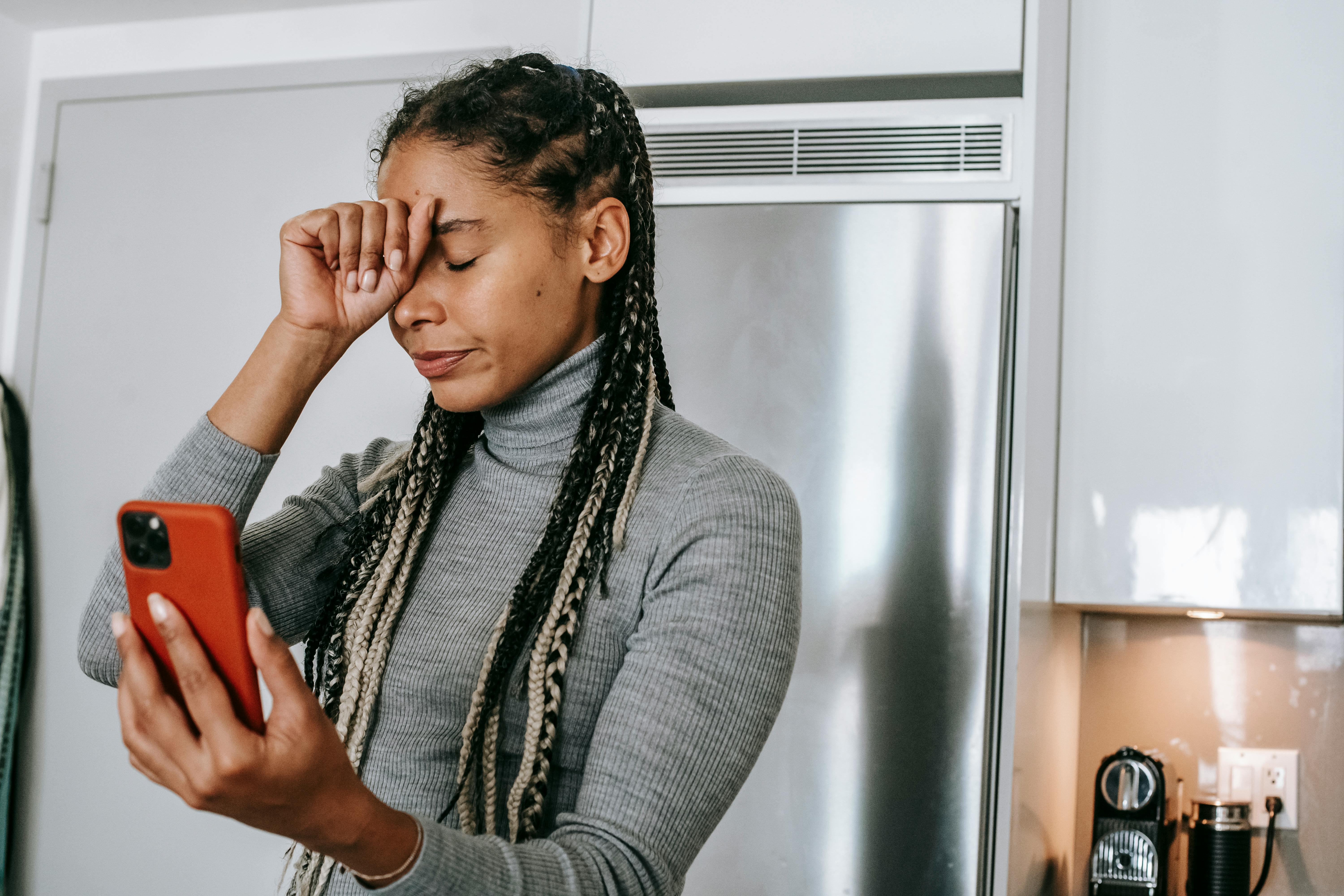
Constant exposure to curated content can encourage social comparison, fear of missing out, and pressure to always stay online. These patterns can negatively affect self-esteem, mood, and sleep quality over time.
Healthy Social Media Habits
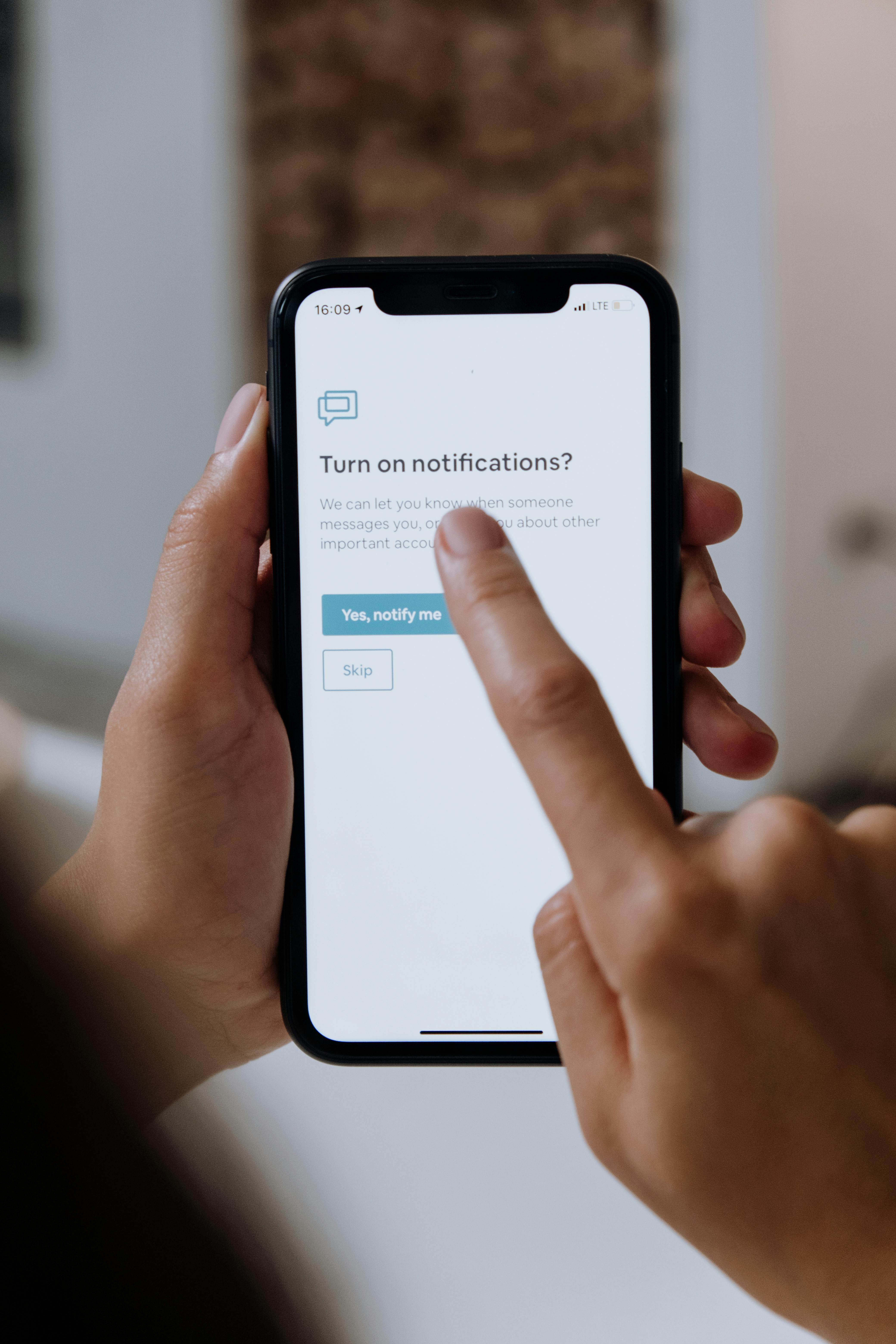
To mitigate negative effects, experts recommend setting time limits, curating your feed to include positive content, and taking regular breaks from screens. Mindful use of social media can help maintain mental well-being while still enjoying its benefits.
Conclusion
Social media is not inherently harmful, but the way it is used matters. By setting boundaries, reducing screen time, and using platforms more intentionally, people can protect their mental health while still benefiting from digital connection.